Discover how modern retail brands achieve sub-second page loads, handle viral Flash sales without crashing, and maximize conversion rates using headless e-commerce architectures.
The Millisecond Economy: Why E-Commerce Speed Directly Dictates Revenue
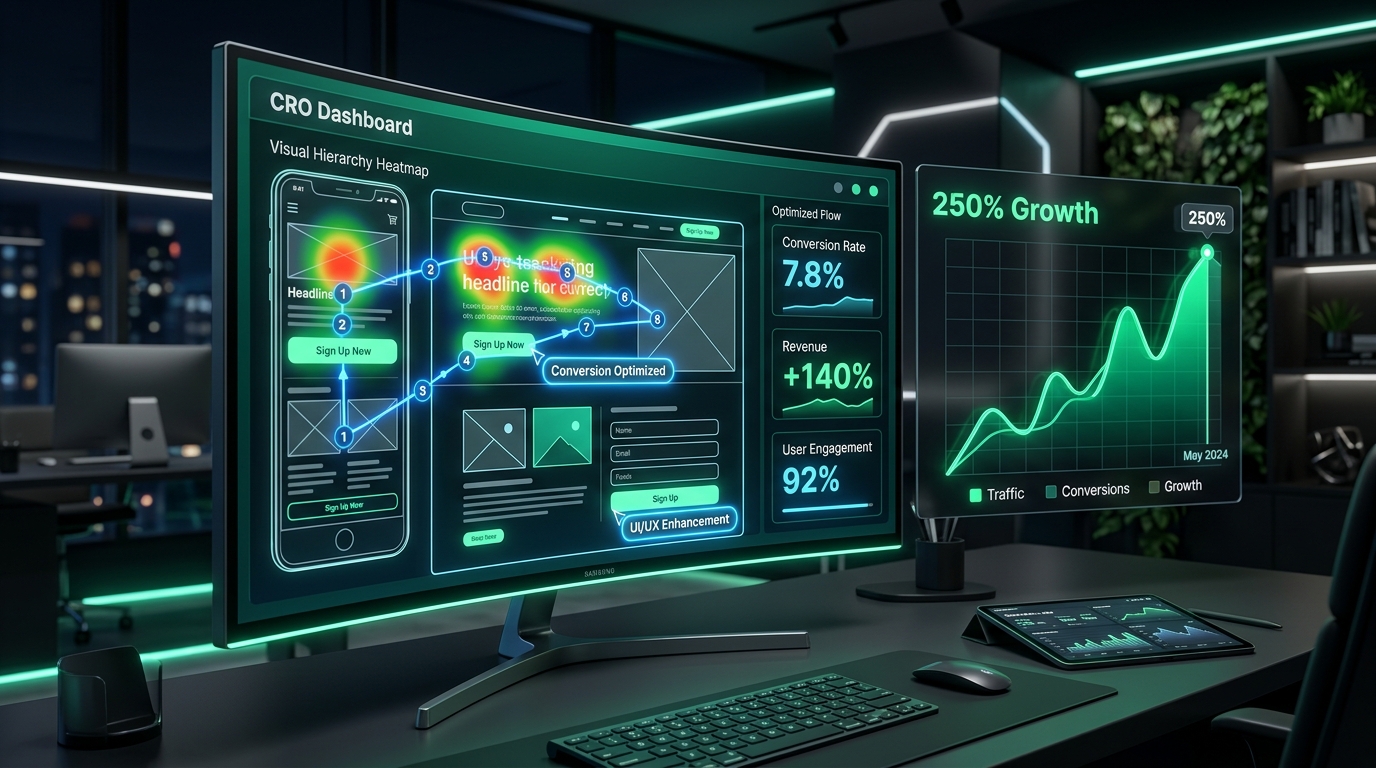
In digital retail, website performance is not merely a technical luxury; it is the single most decisive factor influencing conversion rates, average order value, and brand credibility. Extensive industry research by Google and Akamai demonstrates that every 100-millisecond delay in checkout load times reduces conversion rates by up to 7%. Conversely, websites that load in under one second experience conversion rates three times higher than those that take five seconds.
Monolithic e-commerce platforms often struggle under heavy promotional traffic. Traditional CMS architectures couple the customer-facing storefront tightly with backend catalog databases, inventory management modules, order processing queues, and administrative panels. When thousands of shoppers flood the storefront simultaneously during a seasonal sale or influencer launch, database connection pools exhaust rapidly, resulting in dreaded 504 gateway timeouts and abandoned shopping carts.
To thrive in an intensely competitive digital marketplace, forward-thinking brands are decoupling their frontend shopping experience from backend transactional logic using Headless Architecture. This modern paradigm unlocks uncompromised loading speed, unmatched scalability, and total design freedom across web, mobile, and social shopping touchpoints.
Deconstructing Headless Commerce: Storefront Decoupling and API Orchestration
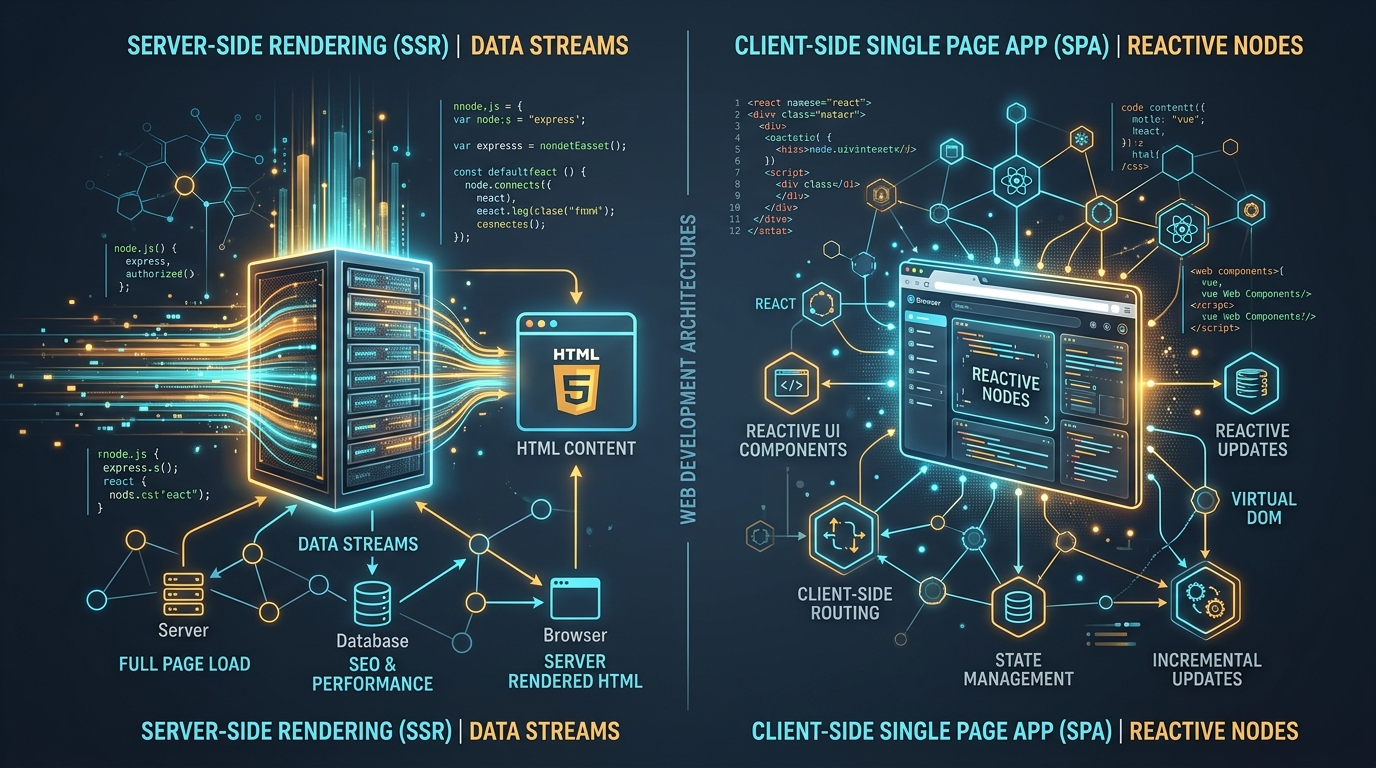
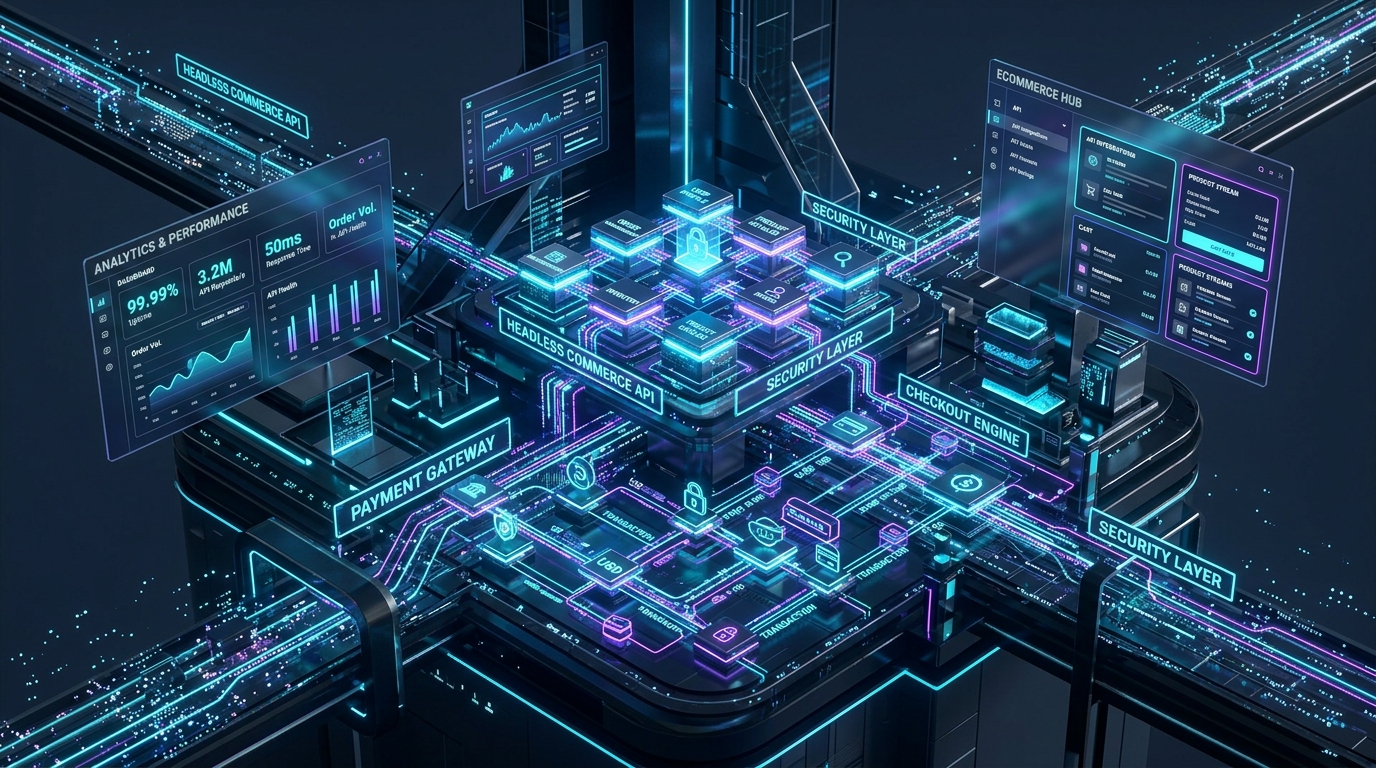
Headless e-commerce architecture separates the presentation layer (the "head") from the underlying transactional commerce engine. The frontend is built using modern edge-rendered technologies such as Next.js, Nuxt, or pre-compiled static Blade assets deployed on global content delivery networks. The backend operates as a headless API service handling core business logic: catalog indexing, customer authentication, pricing calculations, promotion rules, and order ingestion.
Communication between layers occurs via high-speed RESTful or GraphQL endpoints protected by rate limiters and API gateways. This architectural decoupling delivers profound benefits. Frontend developers can iterate on promotional layouts, A/B test checkout flows, and refine micro-interactions without touching mission-critical backend code or risking database locks.
Furthermore, headless architectures enable omnichannel commerce. A single unified backend catalog and inventory database can effortlessly power a responsive web storefront, native iOS and Android applications, in-store point-of-sale (POS) terminals, and conversational WhatsApp commerce chatbots without duplicated engineering effort.
Handling Concurrency and Flash Sales with Redis Caching and Queue Workers
The ultimate stress test for any online store is the flash sale scenario: ten thousand concurrent shoppers attempting to purchase a limited inventory of five hundred products within a thirty-second window. In unoptimized architectures, concurrent database UPDATE queries trigger table locks, leading to race conditions where inventory is oversold or transactions deadlock.
High-performance stores solve this concurrency challenge through multi-tier caching and distributed asynchronous message queues. Product detail pages and catalog search results are pre-rendered and cached at edge CDN nodes, ensuring that 95% of incoming browsing traffic never touches the primary database.
When a customer clicks "Place Order", the transaction does not immediately execute heavy relational SQL writes. Instead, an atomic Redis decrement operation (DECR) validates inventory availability in sub-millisecond memory. Once confirmed, the order payload is pushed into an asynchronous queue (such as Redis or RabbitMQ) where dedicated worker daemons process payment authorizations, generate tax invoices, notify fulfillment centers, and dispatch customer confirmation emails sequentially and reliably.
Frictionless Checkout and Seamless Payment Gateway Integration
Checkout friction is the primary driver of cart abandonment. Requiring mandatory multi-page account registration, forcing repetitive address typing, or presenting clunky redirect-based payment gateways causes up to 68% of motivated shoppers to drop off at the final step.
Modern high-performance platforms implement single-page, optimized checkout flows. Integration with native digital payment solutions—such as UPI Instant Autopay, Apple Pay, Google Pay, and localized credit card tokenization—enables customers to complete transactions with a single biometric touch or one-tap UPI verification.
Payment webhook handlers must be engineered with strict idempotency. Network drops and carrier latency can cause payment gateways to dispatch duplicate webhook notifications. Implementing idempotency keys and database unique constraints guarantees that payment captures and order status transitions occur exactly once, preventing double billing or duplicate order generation.
Enterprise Security: Fraud Mitigation and PCI-DSS Compliance
E-commerce platforms are high-value targets for credential stuffing, automated bot scraping, and credit card testing attacks. A resilient commerce platform incorporates multiple defensive perimeters: Cloudflare Bot Management to mitigate malicious automated crawlers, strict Content Security Policies (CSP) to thwart client-side Magecart script injection, and tokenized payment iframe sandboxing ensuring sensitive cardholder data never touches application web servers.
Regular automated vulnerability scanning, end-to-end payload encryption, and role-based administrative access control ensure comprehensive compliance with international PCI-DSS and data privacy mandates, establishing lasting consumer trust.
Scale Your Commerce Engine with Deep11 Compusoft
Deep11 Compusoft engineers custom e-commerce engines designed for extraordinary conversion rates and unlimited scalability. From bespoke Laravel commerce backends and snappy headless frontends to deep ERP/inventory synchronizations and seamless payment gateway integrations, we build commerce infrastructure that turns visitors into repeat customers.
Strategic Implementation Best Practices & Architectural Checklist
When executing enterprise-level projects in Web Development, software architects and engineering leaders must adhere to a disciplined governance framework. Rushing deployment without standardizing code quality, automated testing, and security controls leads to compounding technical debt and production instability.
- Phase 1 — Discovery, Discovery & Schema Auditing: Conduct deep code inspections, audit relational database schemas for indexing bottlenecks, map undocumented API dependencies, and eliminate dead code paths before writing new features.
- Phase 2 — Modular Decoupling & Component Isolation: Break monolithic workflows into independently deployable, modular services using domain-driven design (DDD) principles. Establish strict contract boundaries via documented OpenAPI / Swagger specifications.
- Phase 3 — Automated CI/CD & Defensive Test Harnesses: Integrate static analysis (PHPStan / ESLint / SonarQube), automated unit and integration tests, and security linting into continuous integration pipelines to catch regressions before code touches staging environments.
- Phase 4 — Real-Time Telemetry & Observability: Deploy application performance monitoring (APM) tools, structured JSON logging, and error tracking daemons (Sentry, Prometheus, Grafana) to detect micro-bottlenecks and slow SQL queries proactively.
- Phase 5 — High-Availability Cloud Infrastructure: Configure automated horizontal autoscaling, Redis cluster memory caching, database read replicas, and Cloudflare CDN edge caching to sustain unexpected traffic surges without downtime.
Measurable Commercial & Engineering ROI
Investing in modern, disciplined engineering for Building High-Performance E-Commerce Web Platforms: Headless Architecture, Microservices, and Instant Payments delivers quantifiable operational and commercial returns across the organization:
- Substantial Throughput Acceleration: Average server response times drop by 50% to 75%, directly improving user retention and Google search ranking metrics.
- Drastic Reduction in Technical Debt: Clean architectural patterns reduce developer onboarding times from months to weeks, enabling your product teams to ship high-priority features twice as fast.
- Elimination of Security Vulnerabilities: Adherence to OWASP Top 10 guidelines, parameterized SQL queries, strict CSRF validation, and encrypted session handling protects your enterprise from catastrophic data breaches.
- Lower Cloud Infrastructure Footprint: Efficient query indexing and in-memory Redis caching reduce database CPU utilization, lowering monthly AWS / Google Cloud hosting expenses by up to 40%.
"World-class software engineering is not merely about writing code; it is about crafting resilient, maintainable digital assets that create unfair competitive advantages for your business."
— Deep11 Compusoft Solutions Architecture Council
Ready to Build or Scale Your Web Development Project?
Our senior software architects, full-stack engineers, and cloud consultants specialize in delivering mission-critical web, mobile, ERP, and digital marketing solutions with guaranteed delivery milestones.